English
 Arabic
 French
 Spanish
 Portuguese
 Deutsch
 Turkish
 Dutch
Dutch
 Italiano
 Russian
 Romaian
 Portuguese (Brazil)
 Greek
Greek
How to Master Vibe Coding
Development |
2026-05-22 02:48:57
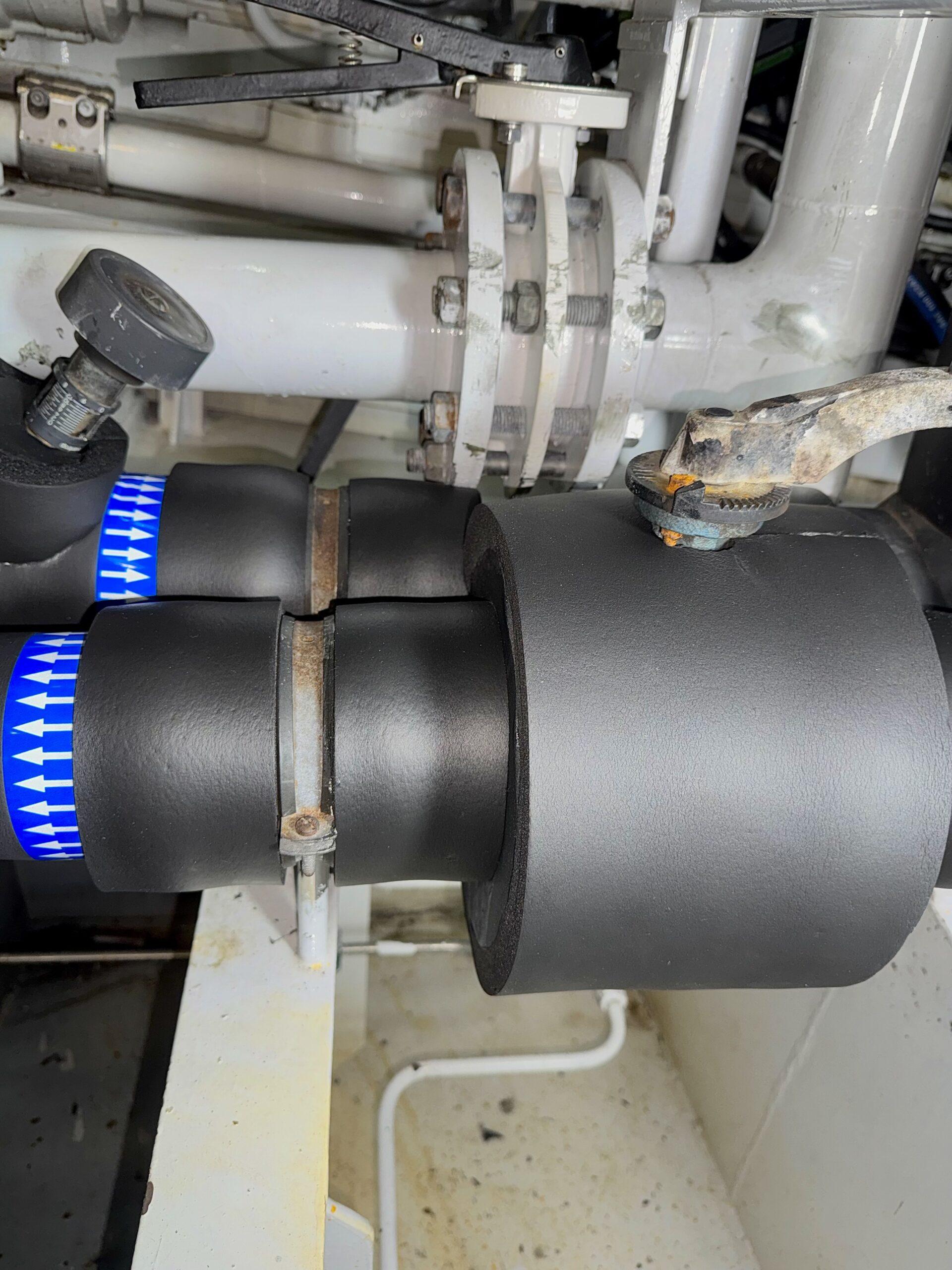
The maritime sector has undergone a substantial transformation in acoustic management over recent decades. Vessel operators, naval architects, and shipbuilders now recognize that excessive onboard sound emissions can affect crew welfare, passenger comfort, equipment performance, and marine ecosystems. As a result, Marine Noise Insulation has become a vital consideration during vessel design and refurbishment projects. Regulatory authorities and classification societies have introduced rigorous frameworks to manage acoustic exposure and ensure operational compliance. Alongside these requirements, Marine soundproofing technologies have evolved to deliver superior vibration attenuation and sound containment throughout modern fleets.
Marine environments present distinctive acoustic challenges. Machinery compartments, propulsion systems, auxiliary generators, ventilation assemblies, and hydraulic equipment collectively produce continuous sound energy. Without effective insulation strategies, these emissions can permeate accommodation zones, navigation spaces, and recreational areas.
The objective of Marine Noise Insulation is not merely reducing perceived loudness but creating an acoustically balanced vessel environment. Regulatory bodies establish permissible sound thresholds to safeguard personnel while maintaining operational efficiency. Shipowners frequently integrate advanced Marine soundproofing materials into bulkheads, deck structures, ceilings, and machinery enclosures to meet these expectations.
Maritime regulations are designed to address several critical concerns:
Excessive acoustic exposure may contribute to fatigue, communication difficulties, reduced concentration, and diminished situational awareness. Consequently, regulatory compliance serves both safety and performance objectives.
Various international organizations have established acoustic benchmarks applicable to commercial and passenger vessels.
The International Maritime Organization introduced the Code on Noise Levels On Board Ships to establish acceptable sound exposure limits. The code specifies maximum allowable acoustic levels in areas such as:
Implementing effective Marine Noise Insulation solutions assists vessel operators in meeting these prescribed limits while maintaining a comfortable onboard atmosphere.
Major classification organizations maintain detailed acoustic guidelines that supplement international regulations. These entities evaluate vessel construction practices, insulation systems, and noise mitigation measures during certification processes.
Classification audits often assess:
Through proper Marine soundproofing integration, shipbuilders can streamline approval procedures and reduce the likelihood of compliance deficiencies.
Successful acoustic control involves a combination of engineering disciplines rather than reliance on a single product category.
Structural insulation materials are installed within walls, partitions, decks, and ceilings to limit sound transmission. High-density composites, mineral-based barriers, and specialized acoustic laminates are commonly selected for maritime applications.
These materials support Marine Noise Insulation objectives by reducing airborne sound migration between vessel compartments.
Mechanical vibration frequently contributes to secondary noise generation. Isolation mounts, resilient supports, and flexible couplings help prevent vibration transfer from machinery to surrounding structures.
When paired with advanced Marine soundproofing systems, vibration management significantly enhances overall acoustic performance.
Machinery producing elevated sound levels often requires dedicated enclosures. These engineered structures contain acoustic energy while maintaining accessibility for maintenance activities.
Benefits include:
Compliance verification depends upon standardized testing methodologies. Acoustic surveys are conducted during sea trials and operational assessments to determine whether vessels satisfy applicable limits.
Certified inspectors utilize calibrated instrumentation to measure sound pressure levels throughout designated onboard locations. Testing typically occurs under representative operating conditions to ensure accurate data collection.
Measured values are compared against regulatory benchmarks to confirm compliance with Marine Noise Insulation requirements.
Acoustic reports generally include:
Comprehensive documentation demonstrates due diligence and facilitates future inspections.
Modern regulations increasingly focus on underwater noise emissions and their impact on marine habitats. Propeller cavitation, engine operation, and hull vibrations can generate underwater acoustic disturbances affecting aquatic species.
Environmental authorities continue developing initiatives aimed at reducing anthropogenic underwater sound. Vessel designers are responding through:
These advancements complement onboard Marine soundproofing strategies while supporting ecological preservation efforts.
Sustainability objectives have encouraged manufacturers to develop environmentally responsible insulation products. Contemporary materials often feature:
Such innovations strengthen overall Marine Noise Insulation performance without compromising environmental goals.
Although regulations provide clear guidance, achieving compliance can present several technical obstacles.
Marine vessels operate within limited spatial envelopes. Engineers must balance insulation requirements against weight restrictions, equipment accessibility, and cargo capacity considerations.
Older vessels may require substantial modifications to meet contemporary acoustic expectations. Retrofitting projects often involve:
Careful planning is essential to integrate Marine Noise Insulation measures without disrupting vessel operations.
Acoustic compliance initiatives involve material, labor, testing, and certification expenses. However, long-term benefits frequently outweigh initial investments through improved crew satisfaction, reduced maintenance concerns, and enhanced operational reliability.
Shipowners and designers can improve compliance outcomes by adopting proactive acoustic management strategies.
Acoustic considerations should be incorporated during the conceptual design phase rather than addressed after construction. Early planning enables efficient allocation of space and resources.
Selecting certified, marine-grade insulation products ensures durability under demanding maritime conditions. Performance verification through laboratory testing provides additional assurance.
Periodic inspections and acoustic evaluations help identify emerging issues before they develop into compliance violations. Preventive maintenance programs support consistent performance throughout a vessel's service life.
Training personnel on operational practices that influence onboard acoustics can contribute to effective noise control. Proper equipment maintenance and operational discipline often reduce unnecessary sound generation.
The maritime industry continues advancing toward stricter acoustic expectations. Emerging technologies such as predictive modeling, digital monitoring platforms, and intelligent insulation systems are reshaping compliance methodologies.
Regulatory agencies are expected to place increasing emphasis on underwater noise reduction, occupational health standards, and environmental sustainability. Consequently, shipbuilders and operators will need increasingly sophisticated solutions to satisfy evolving requirements.
Organizations that invest in advanced acoustic engineering today will be better positioned to adapt to future regulatory developments while maintaining competitive operational standards.
Effective compliance with maritime acoustic regulations requires a comprehensive approach involving engineering expertise, testing procedures, and innovative materials. By implementing robust Marine Noise Insulation strategies and adopting modern Marine soundproofing technologies, vessel operators can achieve regulatory conformity, enhance onboard comfort, support environmental responsibility, and promote long-term operational excellence across diverse maritime applications.